-
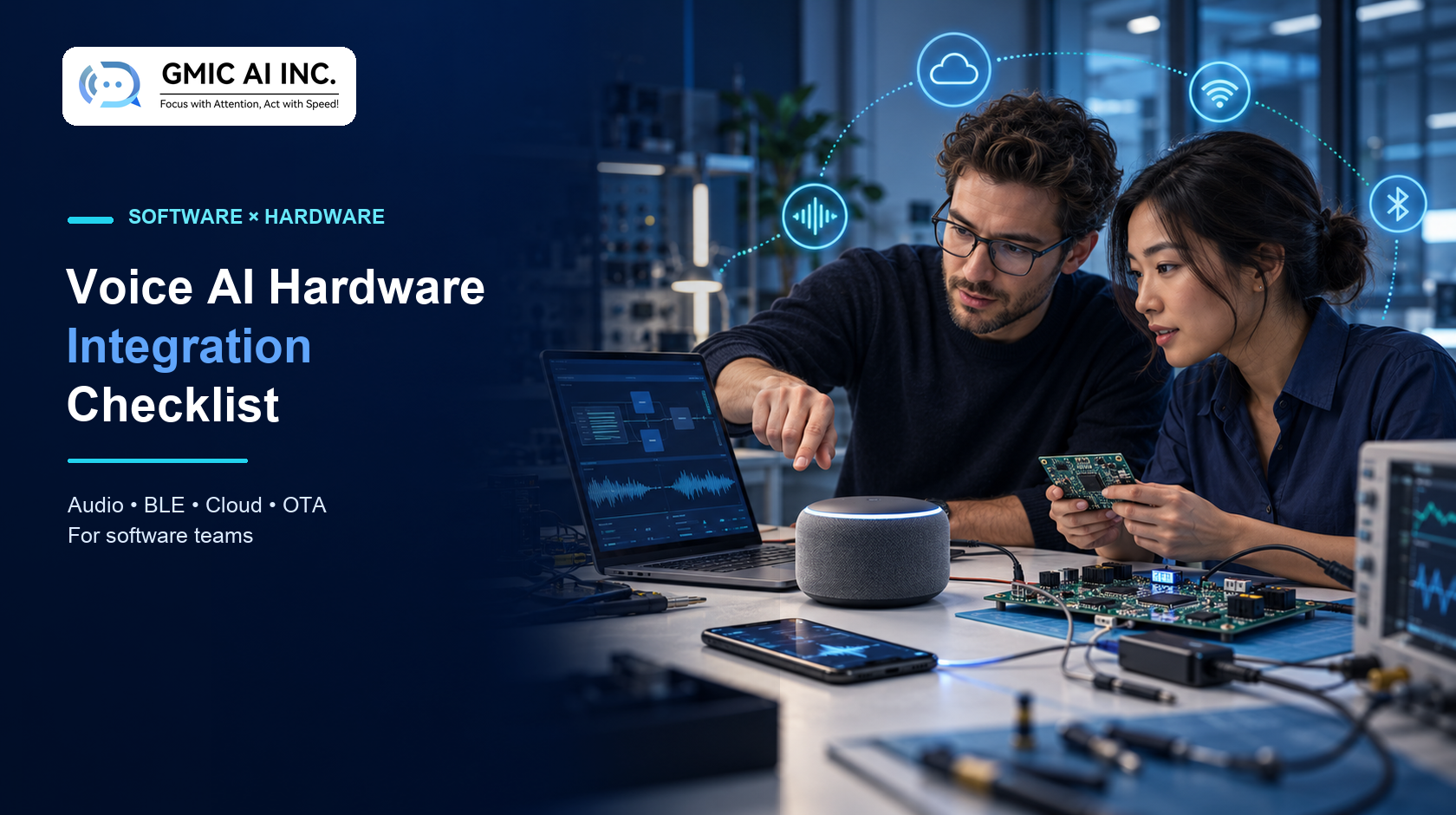
Voice AI Hardware Integration Checklist for Software Teams
A practical voice AI hardware integration checklist for software teams covering audio, BLE, cloud APIs, identity, security, OTA, power, manufacturing and acceptance testing.
-
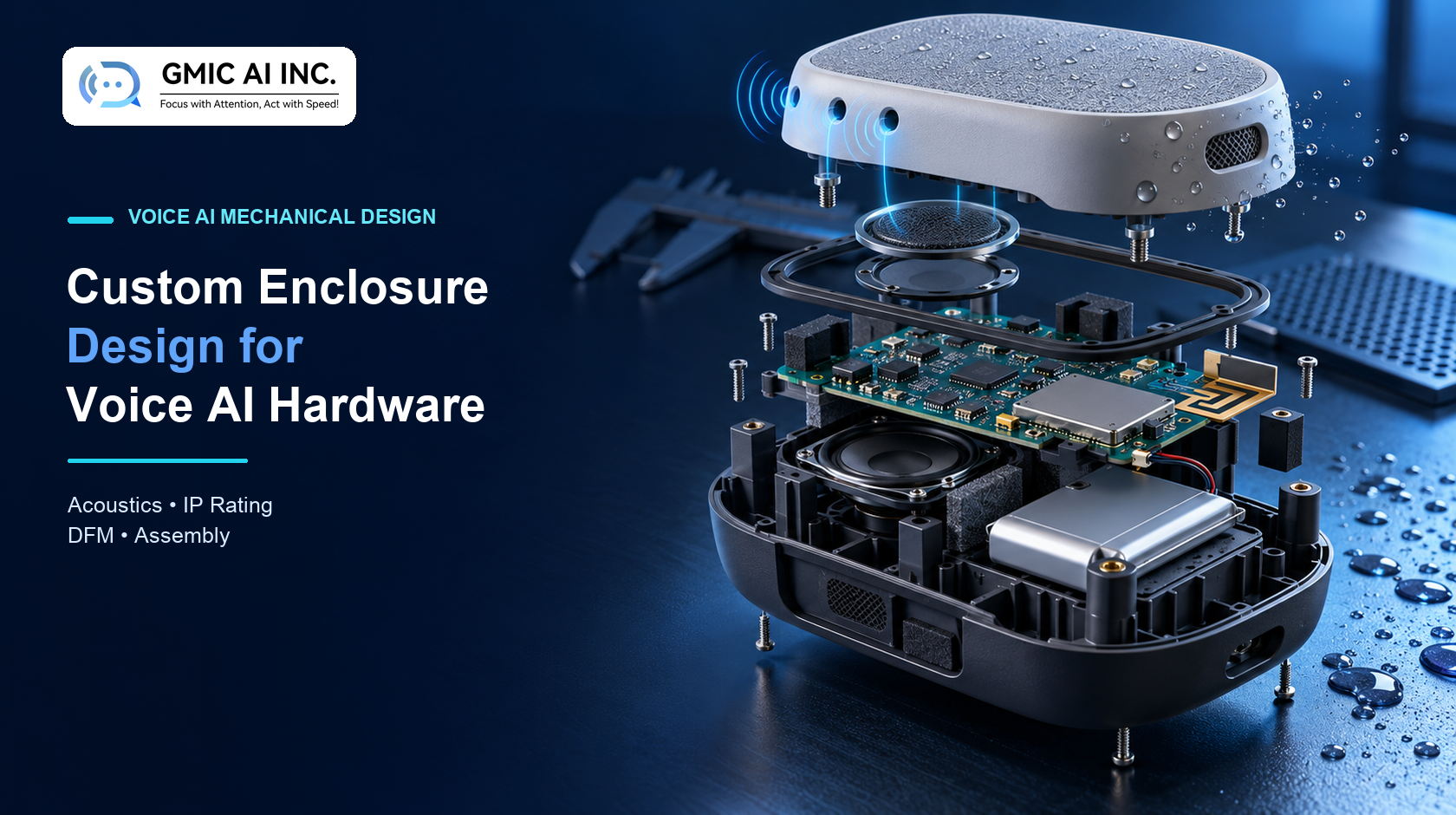
Custom Enclosure Design for Voice AI Hardware: Acoustics, IP Rating and DFM
Design custom enclosures for voice AI hardware without compromising acoustics, ingress protection, RF, thermal performance or injection-molding DFM.
-
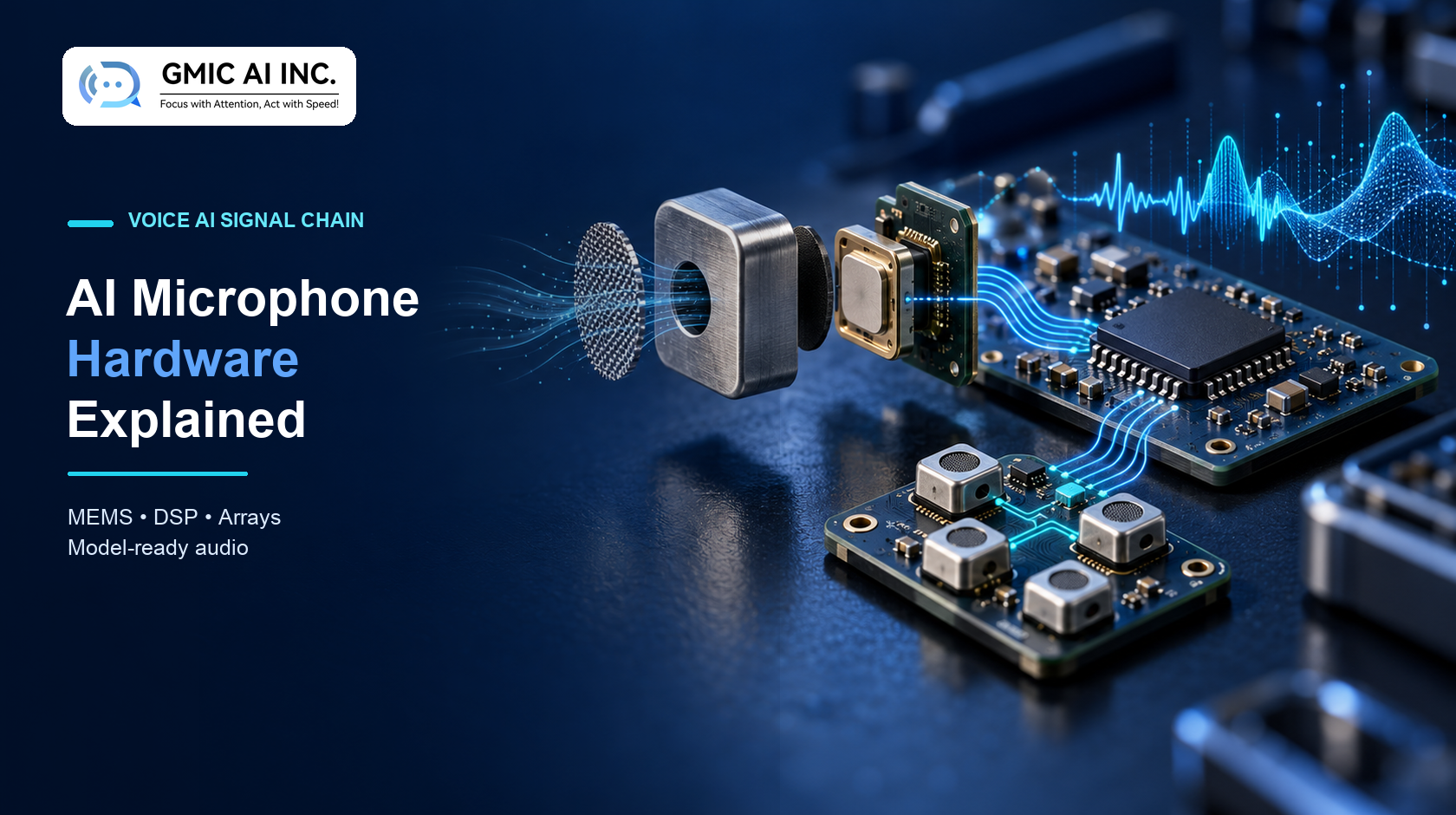
AI Microphone Hardware Explained: From MEMS Mic to Model-Ready Audio
Understand the complete AI microphone hardware chain—from MEMS microphone and acoustic port to DSP, arrays, wireless transport and model-ready audio validation.
-
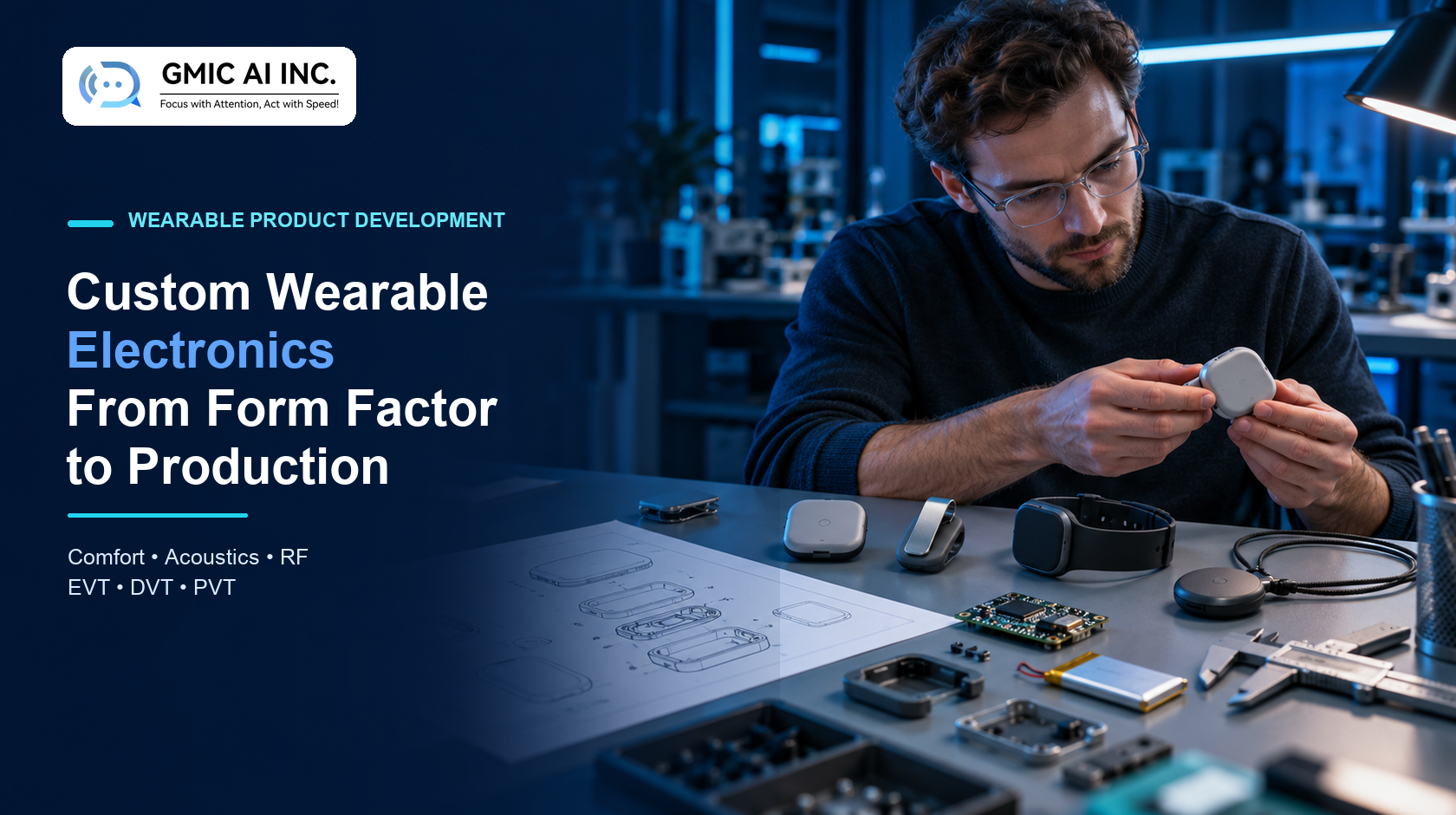
Custom Wearable Electronics: From Form Factor to Production
Custom wearable electronics must balance comfort, acoustics, RF, battery, controls, materials and manufacturability. This engineering guide explains how to move from form-factor decisions through prototypes, EVT, DVT, PVT and production.
-
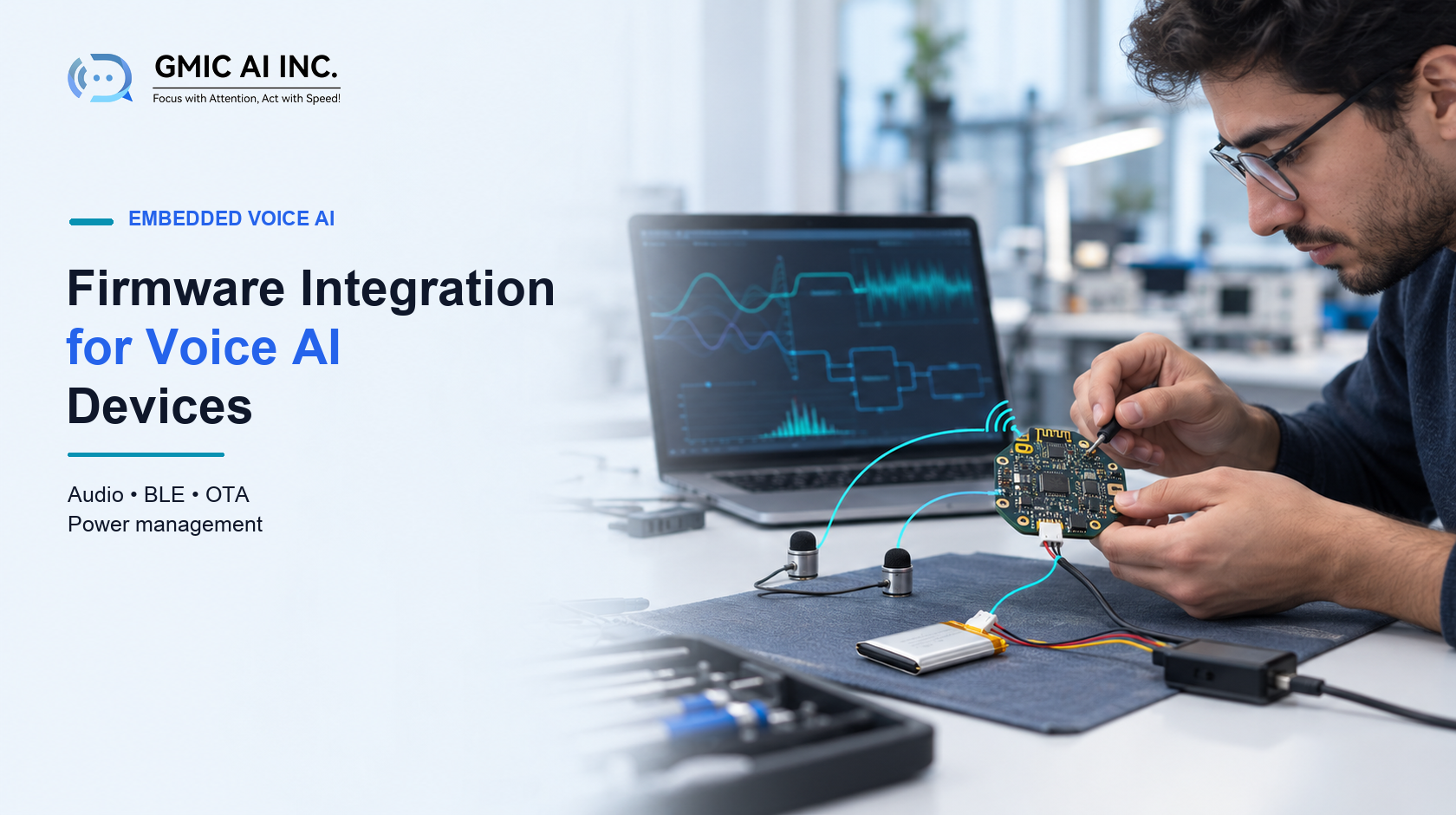
Firmware Integration for Voice AI Devices: Audio, BLE, OTA and Power Management
Voice AI firmware connects microphones, DSP, radios, storage, mobile apps, cloud services and power states. This guide explains the interfaces, failure recovery, OTA security and validation evidence software teams should define before hardware integration.
-
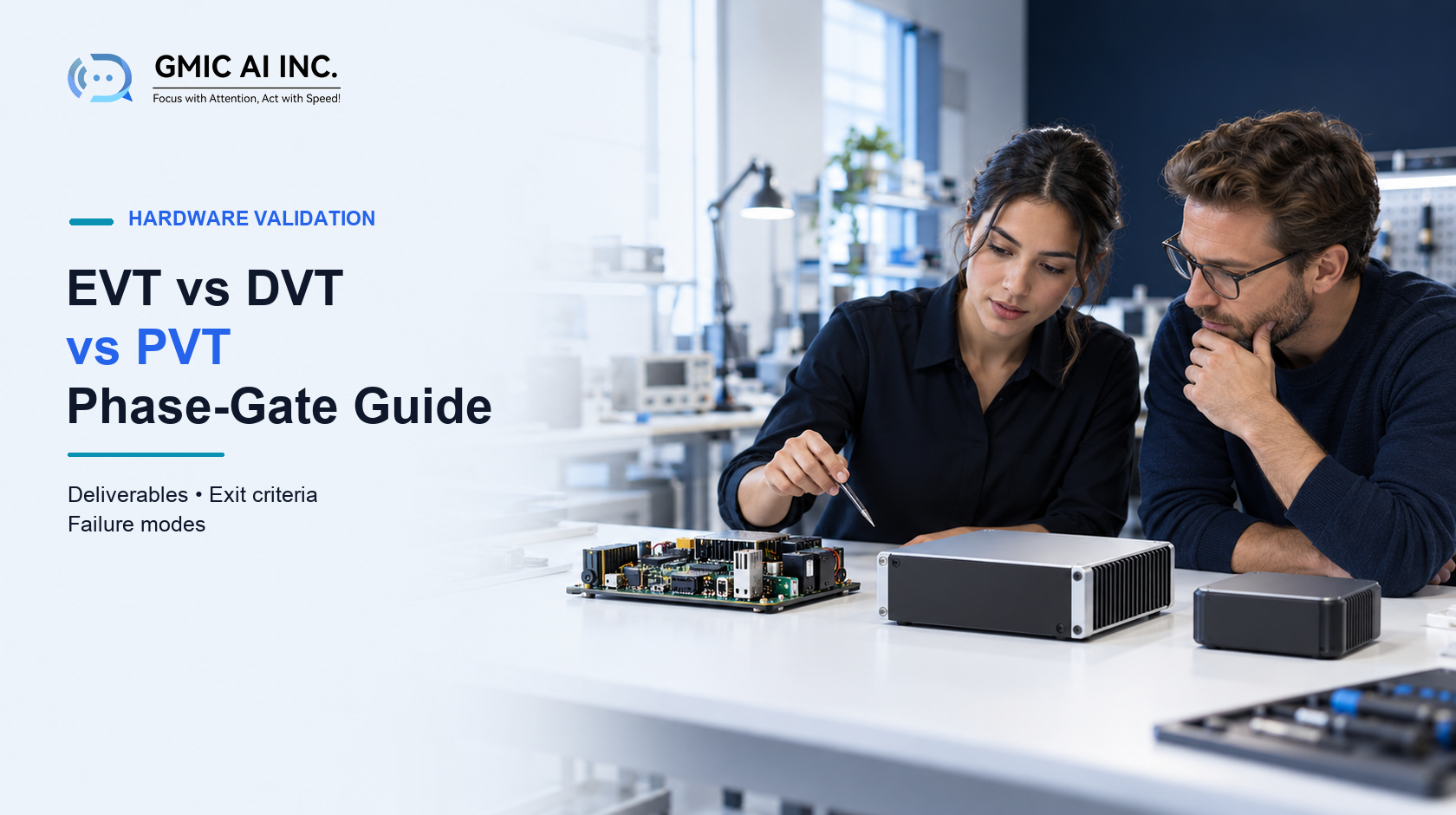
EVT vs DVT vs PVT: Deliverables, Exit Criteria and Common Failure Modes
EVT, DVT and PVT are decision gates, not just prototype rounds. This guide explains what each phase should prove, which deliverables buyers should expect, how build quantities are determined and which failures should stop progression.
-
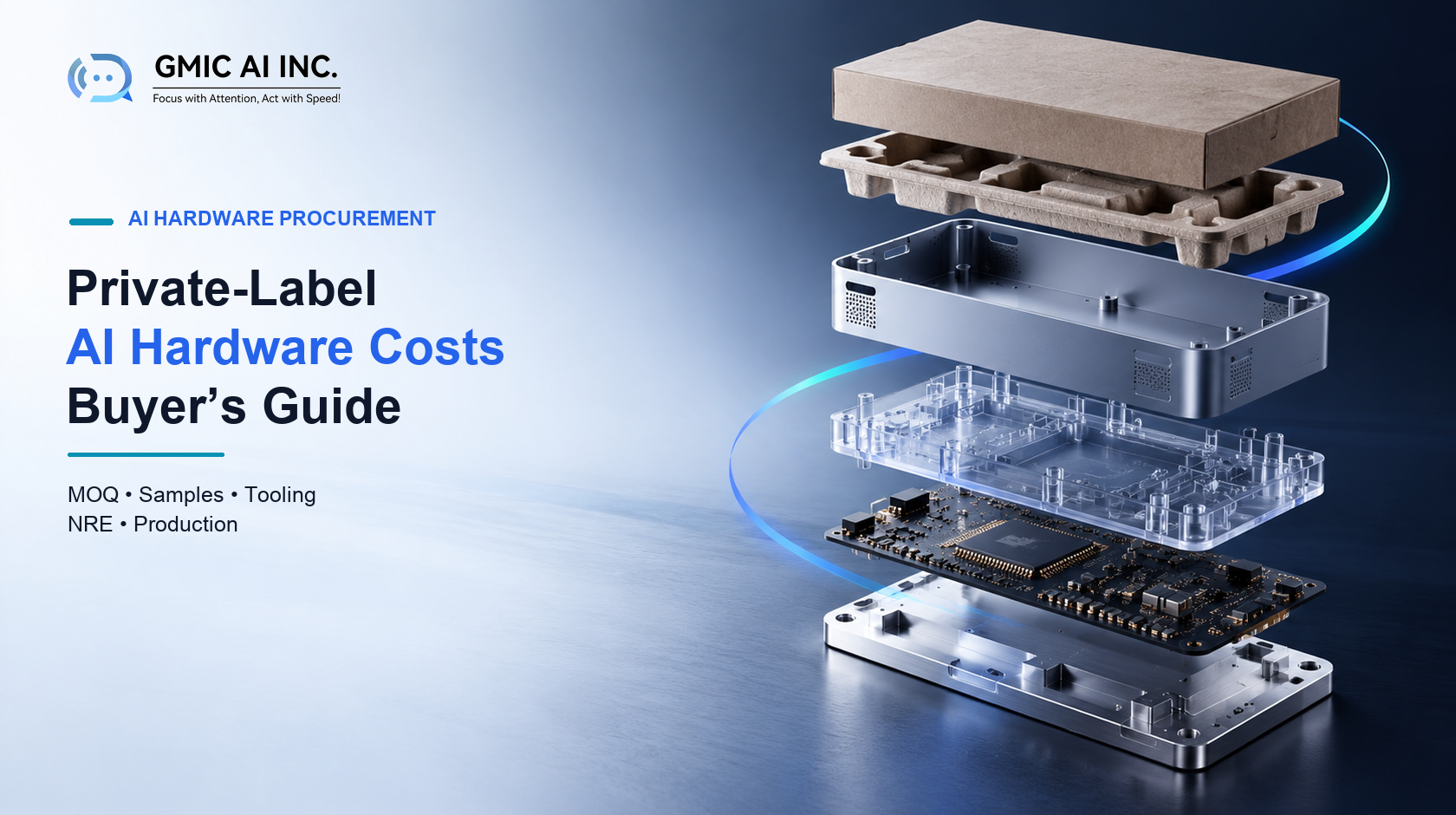
Private-Label AI Hardware Costs: MOQ, Samples, Tooling and NRE
Private-label AI hardware cost is more than a unit price. This buyer’s guide separates samples, MOQ, NRE, tooling, certification, packaging, software integration and production costs so teams can compare quotations on the same basis.
-
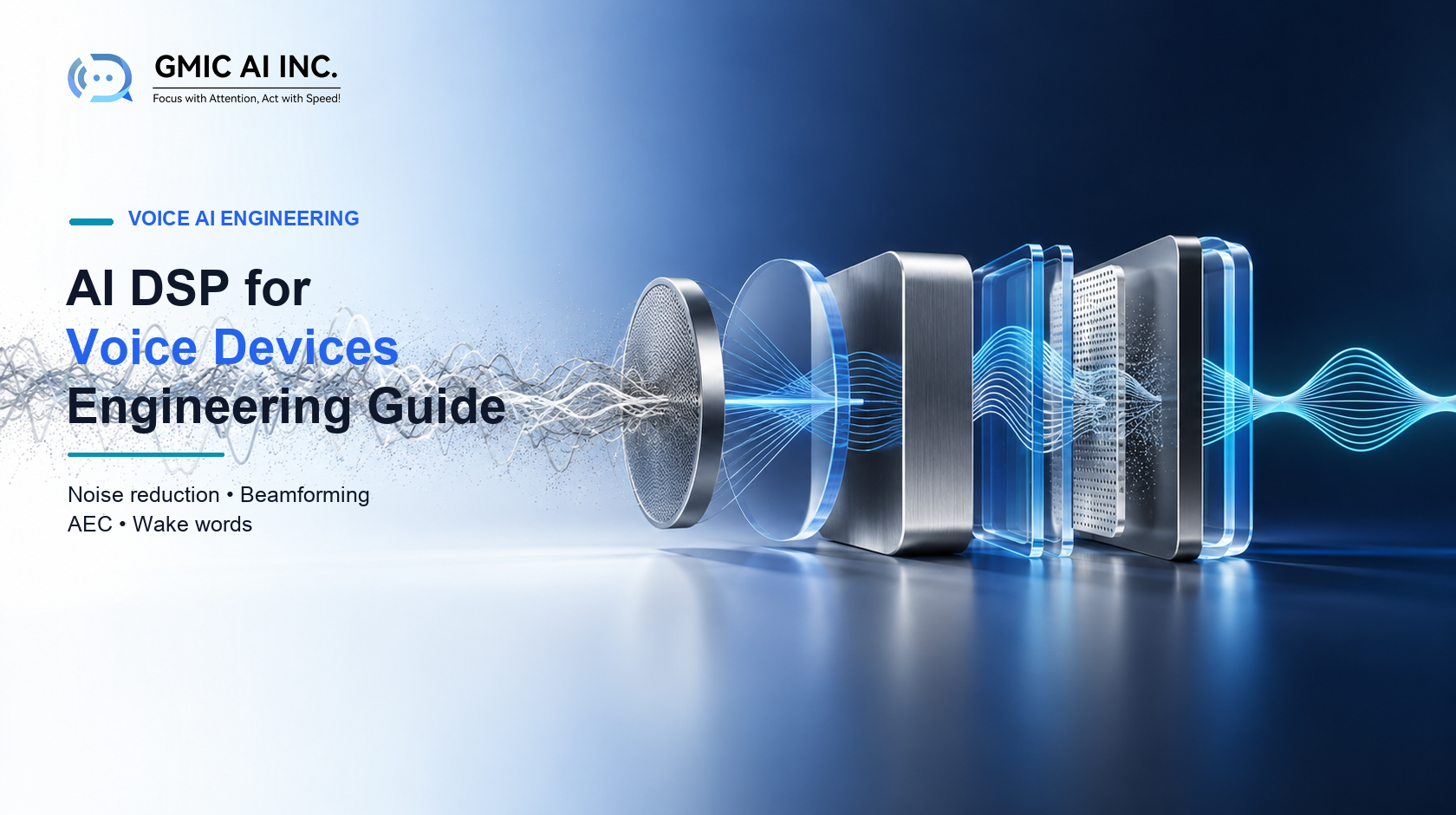
AI DSP for Voice Devices: Noise Reduction, Beamforming, AEC and Wake Words
AI voice performance begins before the model. This engineering guide explains how microphone geometry, filtering, beamforming, echo cancellation, gain control, voice detection and wake-word processing work together—and what teams should measure on target hardware.
-

HVAC Field Service Voice AI Hardware: Capture, Workflow & Device Design
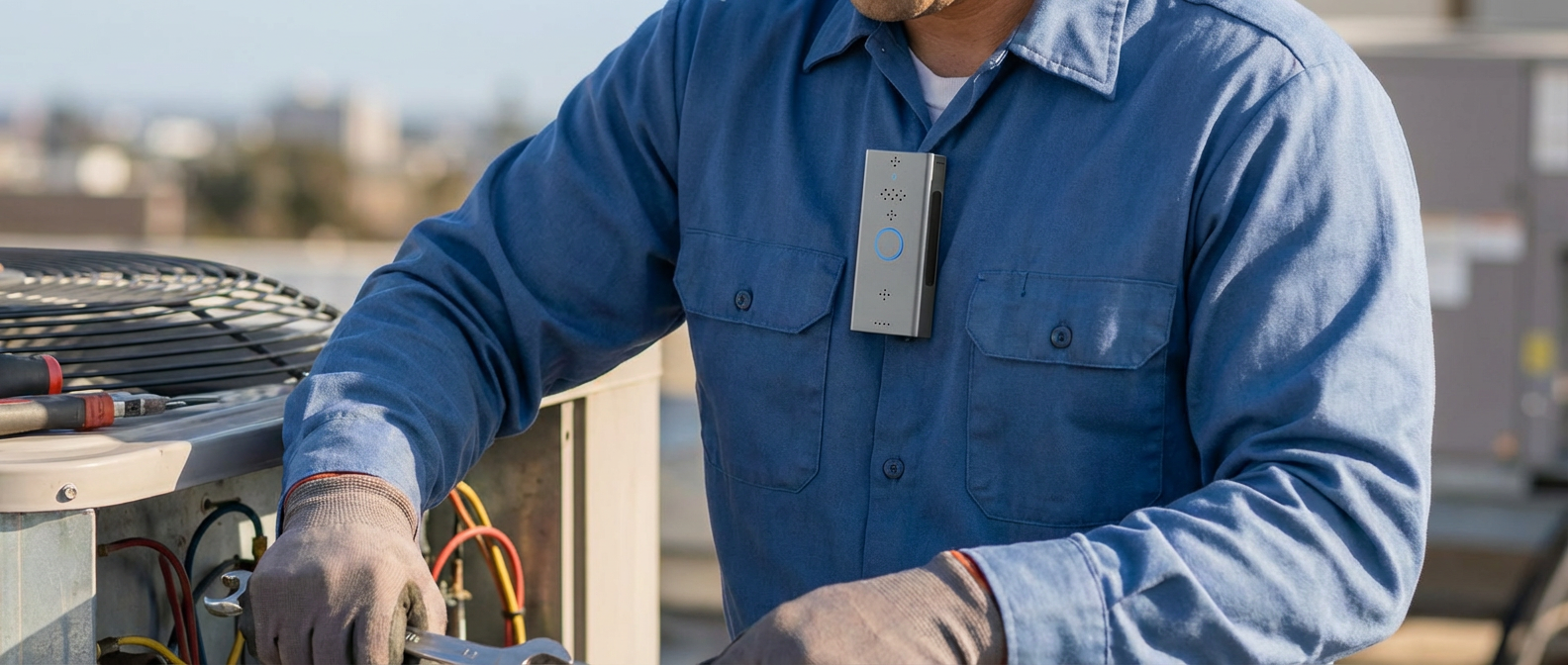
HVAC field service voice AI hardware gives technicians a dedicated way to capture observations, measurements, parts, and next steps while they inspect or repair equipment. The value is not simply recording audio. A useful system must work around fans, compressors, wind, gloves, weak connectivity, ladders, and the technician’s existing service workflow. Last reviewed: October…
-

Meeting Room Voice AI Hardware: Microphones, Coverage & Integration
Meeting room voice AI hardware is the physical capture layer between a live conversation and a transcription, summary, search, or workflow platform. Its job is not merely to record sound. It must capture multiple speakers at changing distances, handle loudspeakers and room reflections, expose a clear recording state, and deliver reliable audio to the…
-
AI Hardware Certification Guide: FCC, CE, UKCA & RoHS
AI hardware certification is not one universal test or certificate. The required path depends on the target market, radio functions, power architecture, product category, intended use, accessories, and the legal role of each company placing the product on the market. Last reviewed: October 2026Technical review: GMIC Engineering Team For an AI voice device, wearable…
-
Offline Voice AI Hardware: Recording, Storage & Integration
Offline voice AI hardware can keep recording when a network is unavailable, but “offline” does not always mean that speech recognition or AI inference happens on the device. Product teams must define which parts of the workflow operate locally: audio capture, storage, preprocessing, transcription, inference, or all of them. Last reviewed: October 2026Technical review:…
-
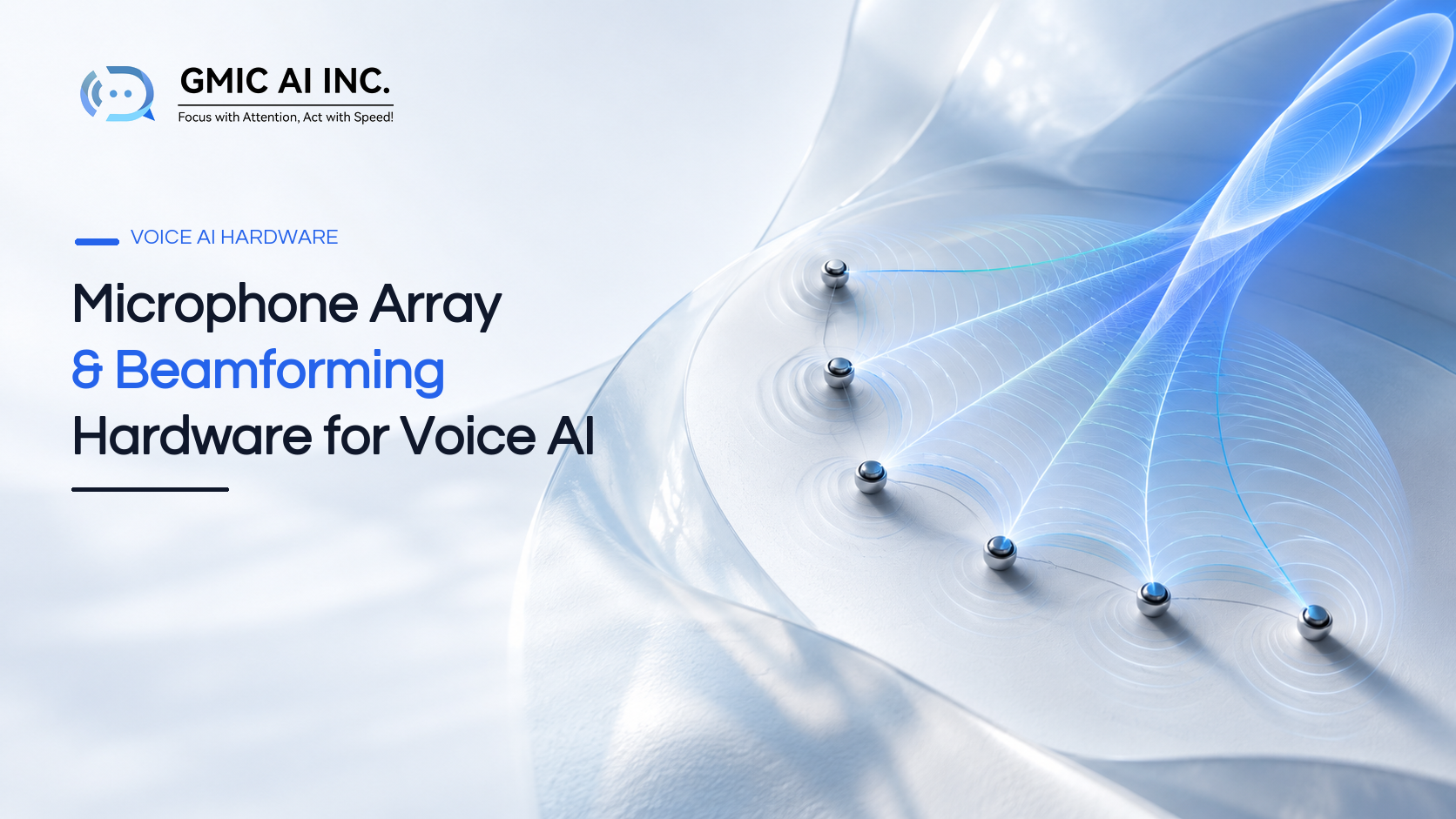
Microphone Array & Beamforming Hardware for Voice AI
Microphone array and beamforming hardware helps voice AI devices capture clearer speech when the user is not speaking directly into a single close-range microphone. The design combines multiple microphones, physical geometry, synchronized audio capture, digital signal processing, firmware, and acoustic testing. The result depends on the complete signal path. Adding more microphones does not…
-
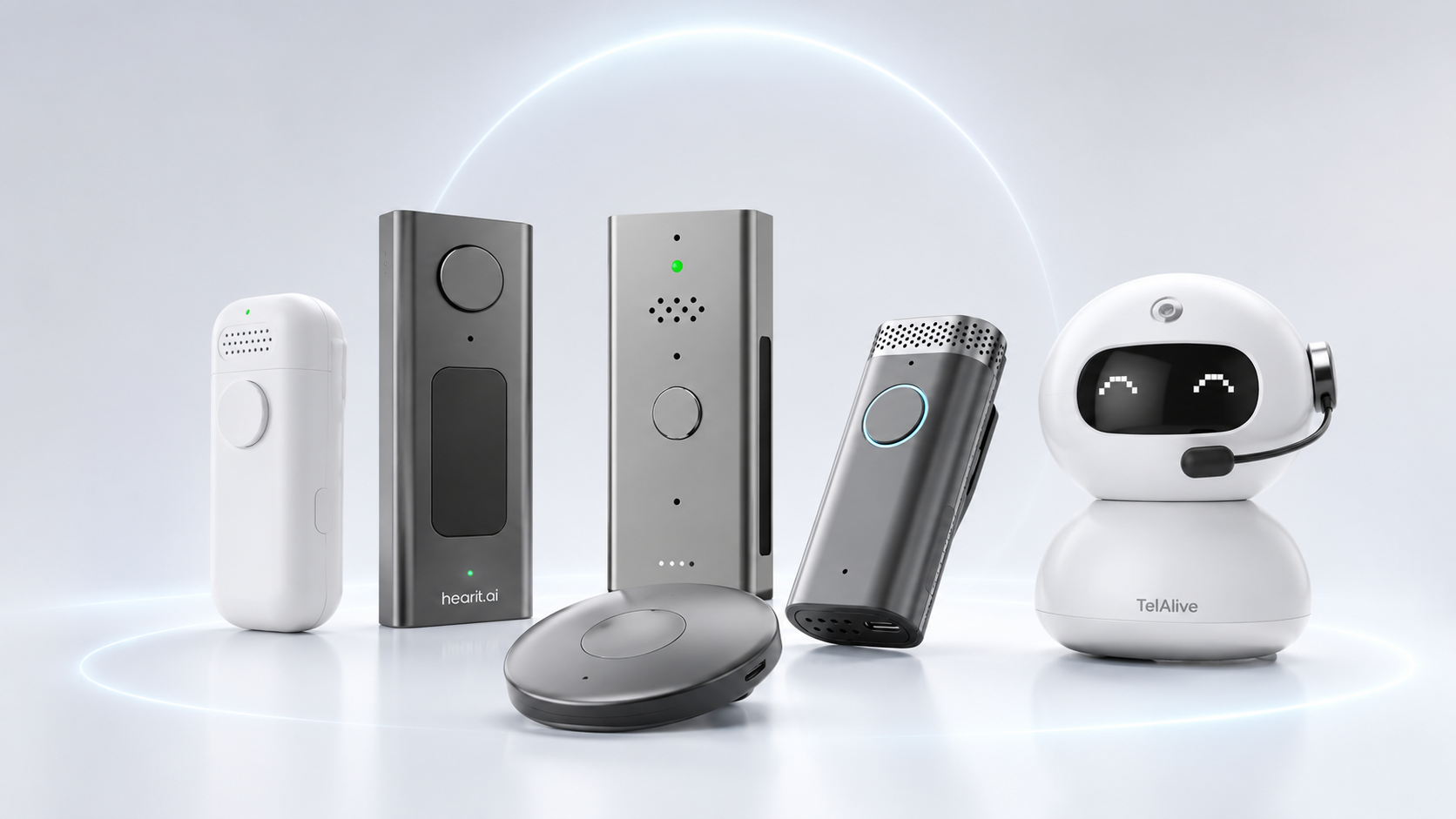
Voice AI Hardware Project Planning: NRE, MOQ & Validation
Voice AI hardware project planning requires more than selecting a microphone and connecting it to an application. Hardware architecture, firmware, acoustics, mechanical design, certification, sourcing, testing, and manufacturing all affect the project scope. This guide explains how custom voice AI hardware projects are typically evaluated, what non-recurring engineering (NRE) and tooling may cover, how…
-
Voice Capture Battery Life vs Weight: Data From 8 Devices
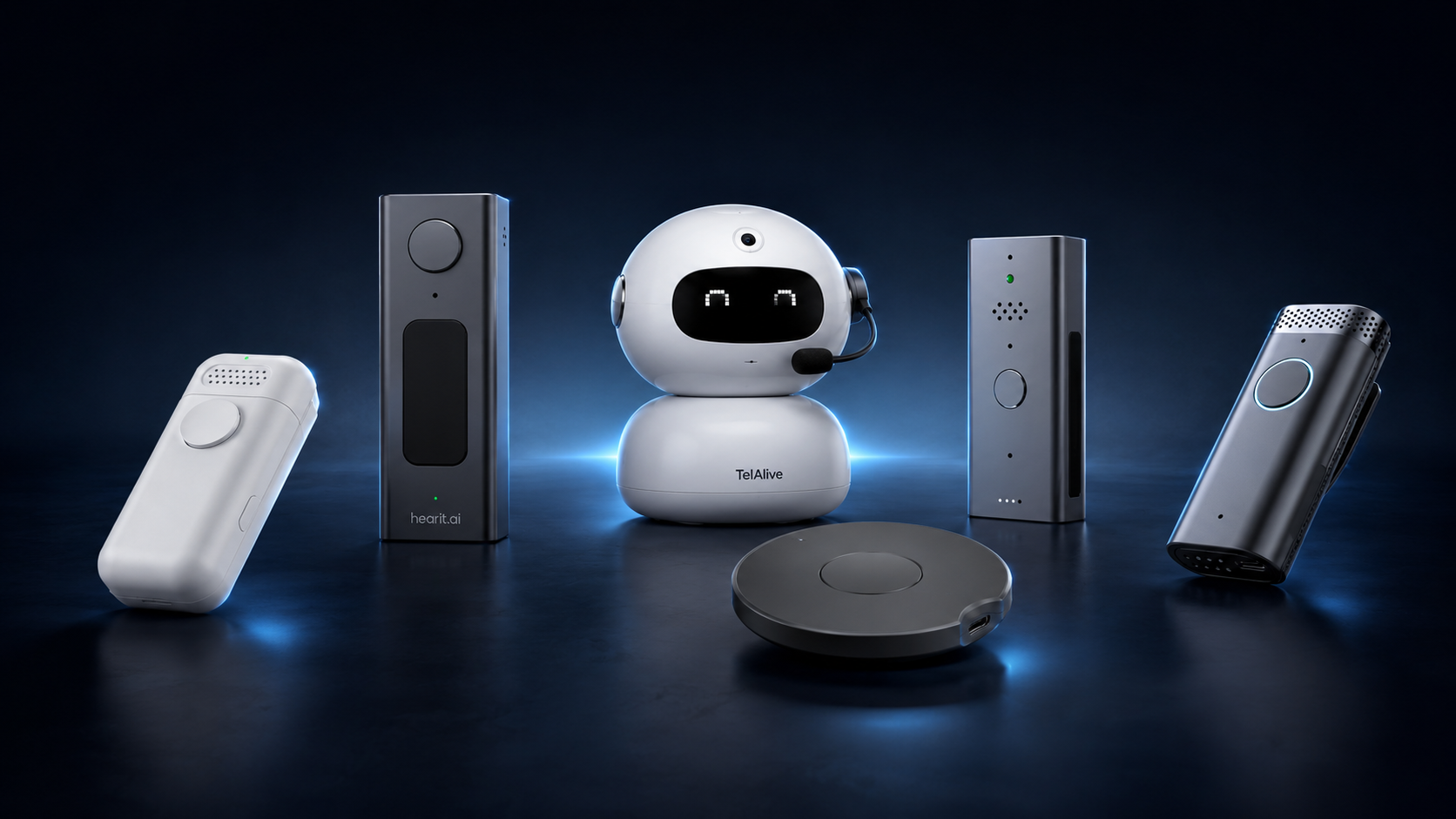
Voice capture battery life measured across eight shipping devices, and why Wi-Fi streaming costs six times the power of a Bluetooth-only design.
-
Local Recording vs Real-Time Streaming for Voice AI Hardware
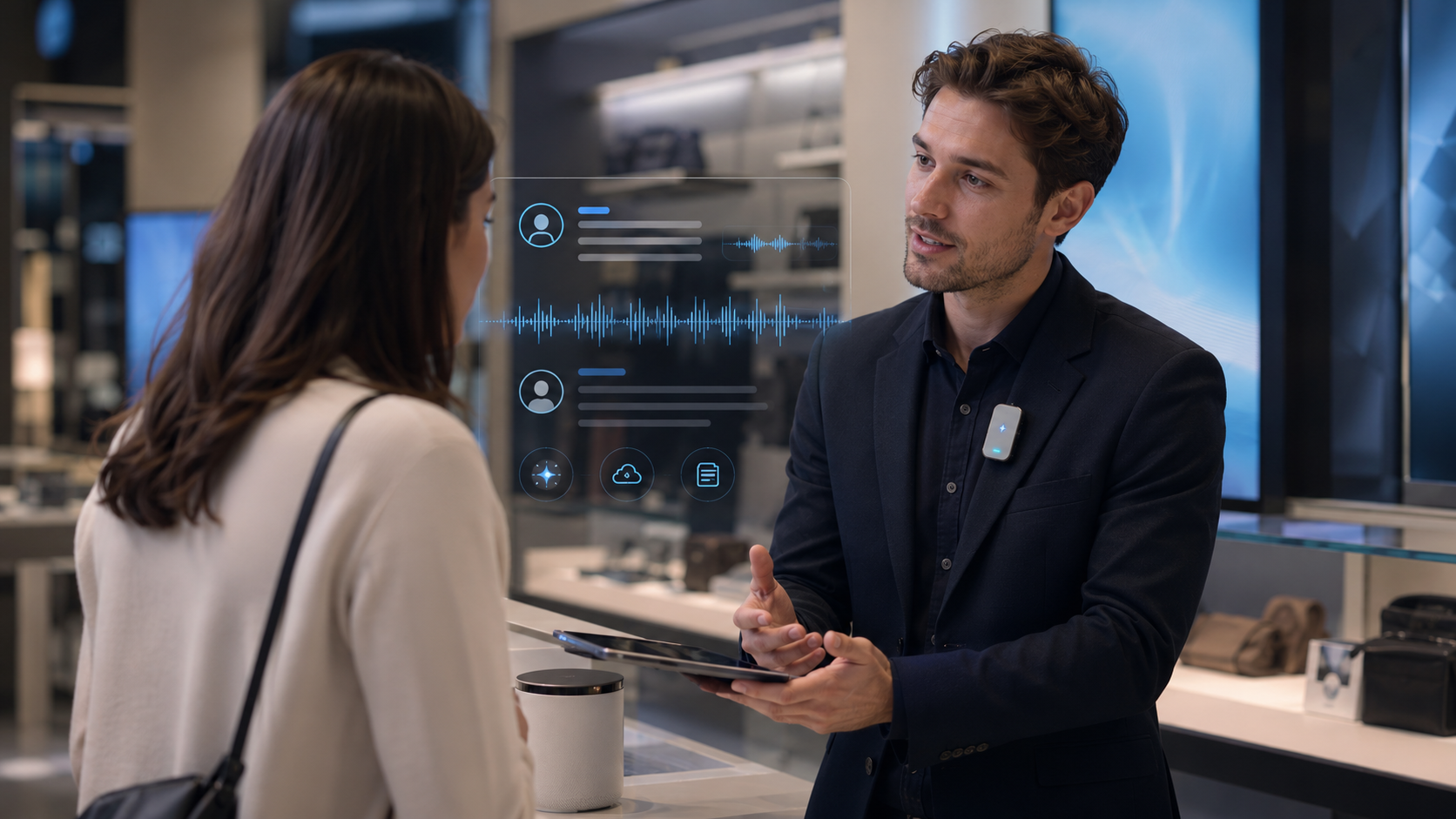
Voice AI devices generally use one of three audio architectures: record audio locally and upload it later, stream audio to a backend while the conversation is happening, or combine both approaches in a hybrid system. Local recording is useful when connectivity is uncertain or immediate AI processing is unnecessary. Real-time streaming becomes more important…
-
Building Trusted Physical AI Hardware for the U.S. Market
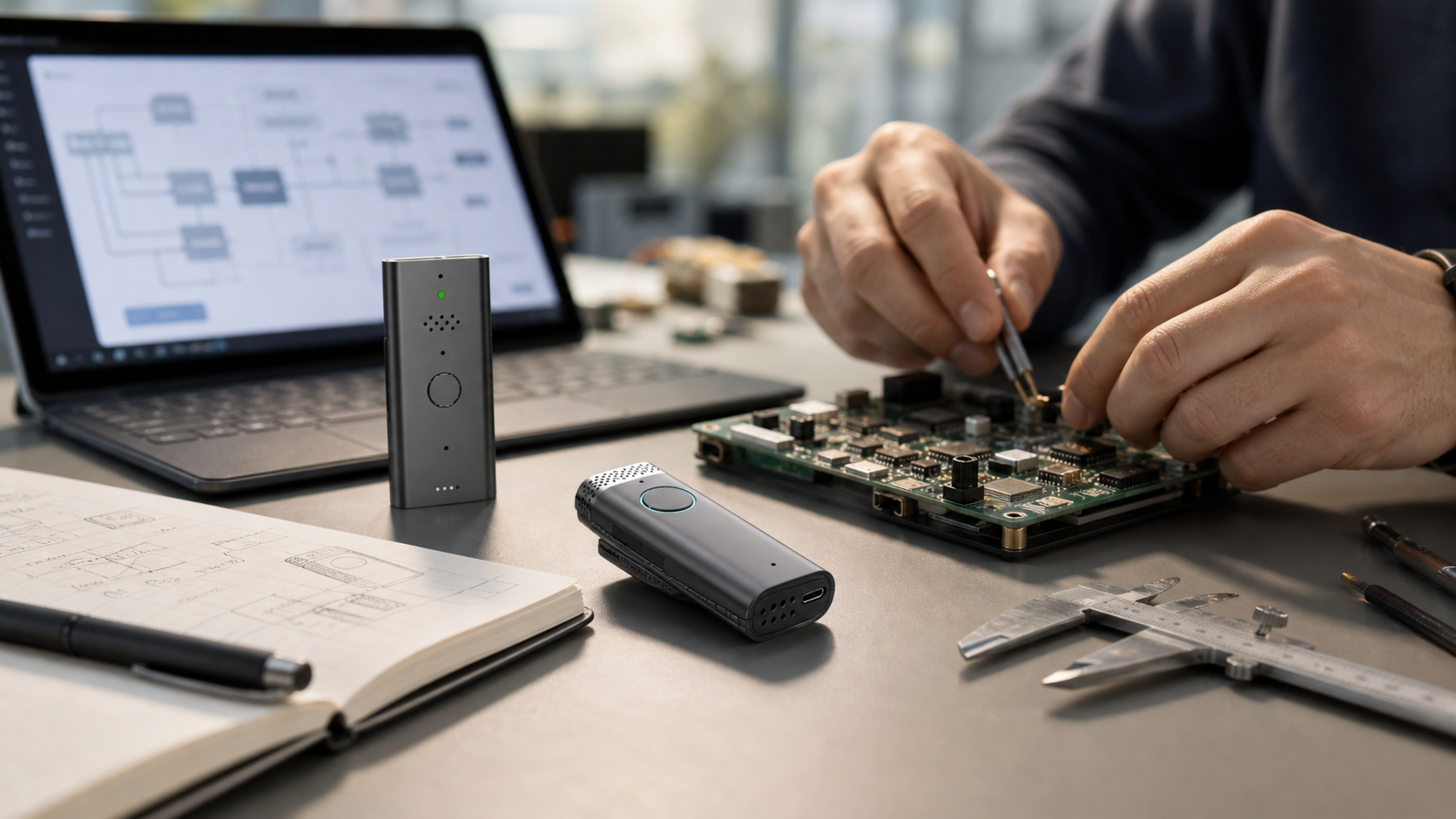
Physical AI is moving artificial intelligence beyond screens and software applications and into devices that can perceive, understand, and interact with the real world. These systems may include robots, wearable AI devices, smart cameras, autonomous machines, sensor terminals, industrial equipment, and AI-enabled environments. What they share is a combination of physical sensors, AI models,…
-
Custom AI Voice Hardware for Enterprise Meetings: From Prototype to Production
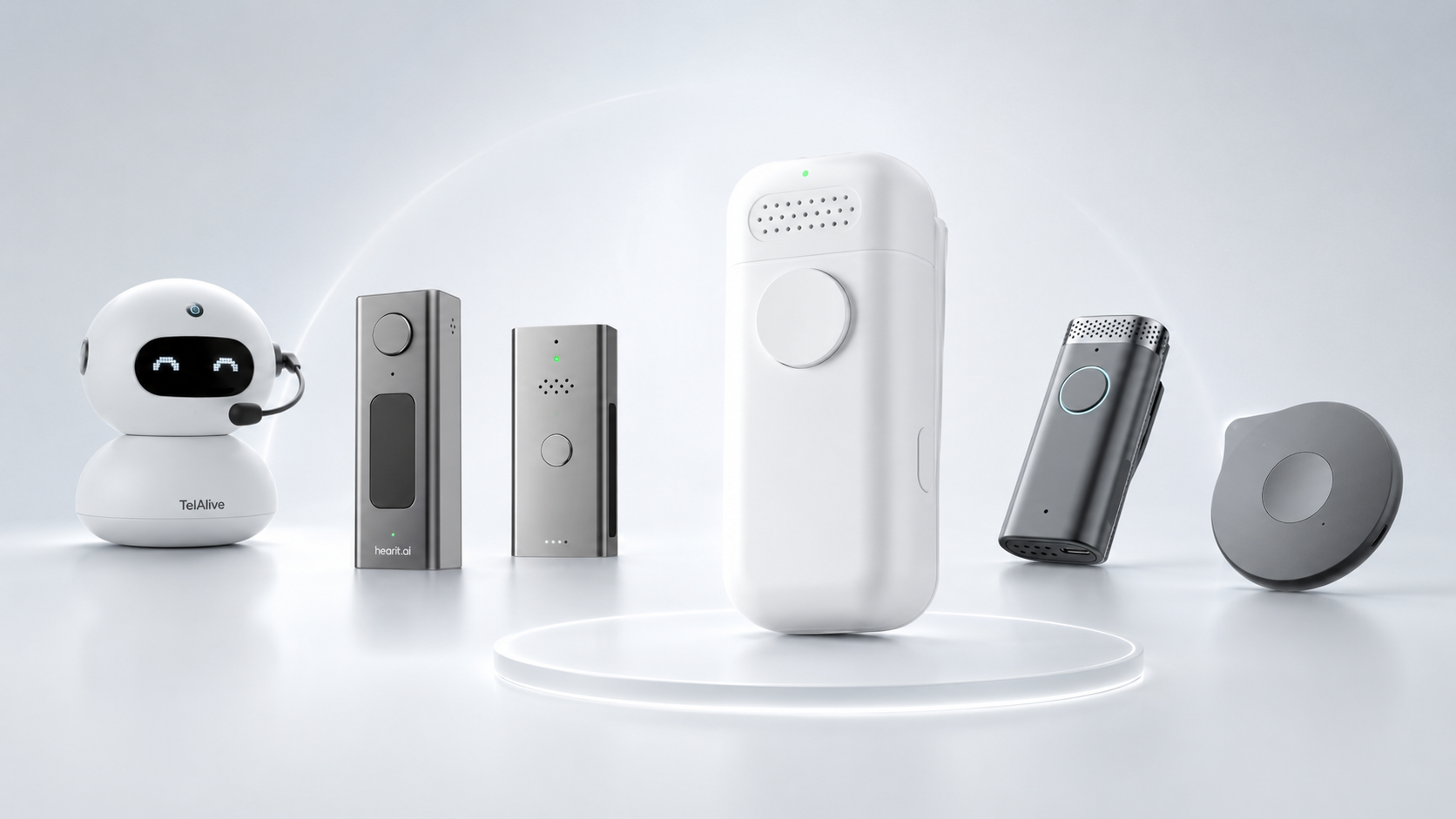
Enterprise AI software is becoming increasingly capable of transcribing conversations, separating speakers, generating summaries, identifying action items, and turning spoken information into structured business data. However, the quality of these AI outputs still depends on one essential input: reliable audio. Smartphones and laptops can support initial testing, but they are not always designed for…
-
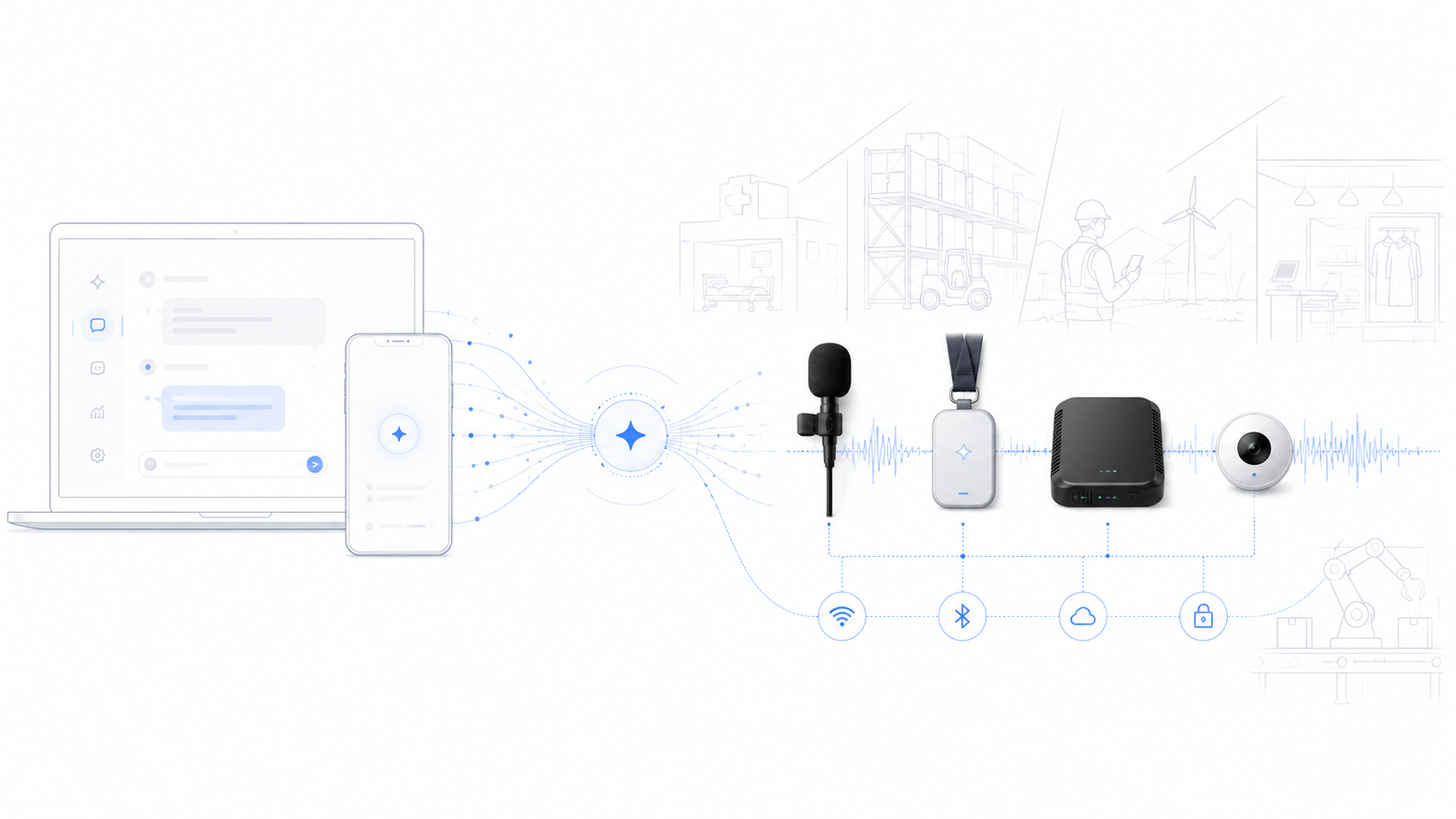
The Screenless AI Device Era: What OpenAI’s AI Companion Device Signals for Hardware
For most of the personal-computing era, every major technology shift has introduced another screen. Desktop computers placed screens on desks. Smartphones put them in our pockets. Smartwatches moved them onto our wrists. Smart glasses are now attempting to place digital information directly in front of our eyes. The next major AI device may move…
-
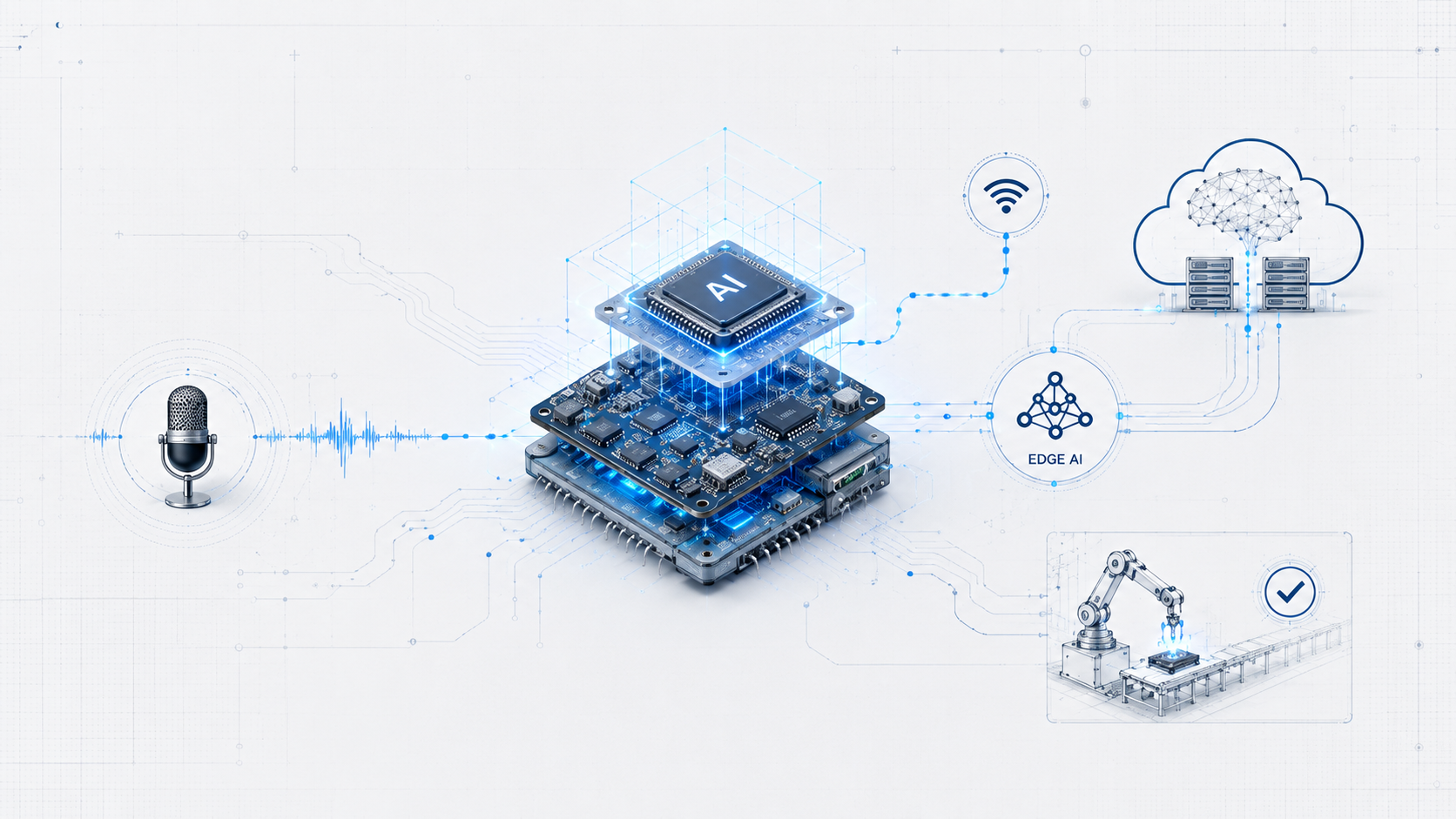
AI Hardware Architecture: A Complete Guide to Designing Intelligent Devices
Artificial intelligence has become dramatically more capable over the past few years, but even the most advanced AI models depend on one thing to interact with the real world: hardware. Whether it’s an AI voice recorder capturing conversations in a noisy hospital, smart glasses assisting field technicians, or wearable devices supporting enterprise workflows, the…
-
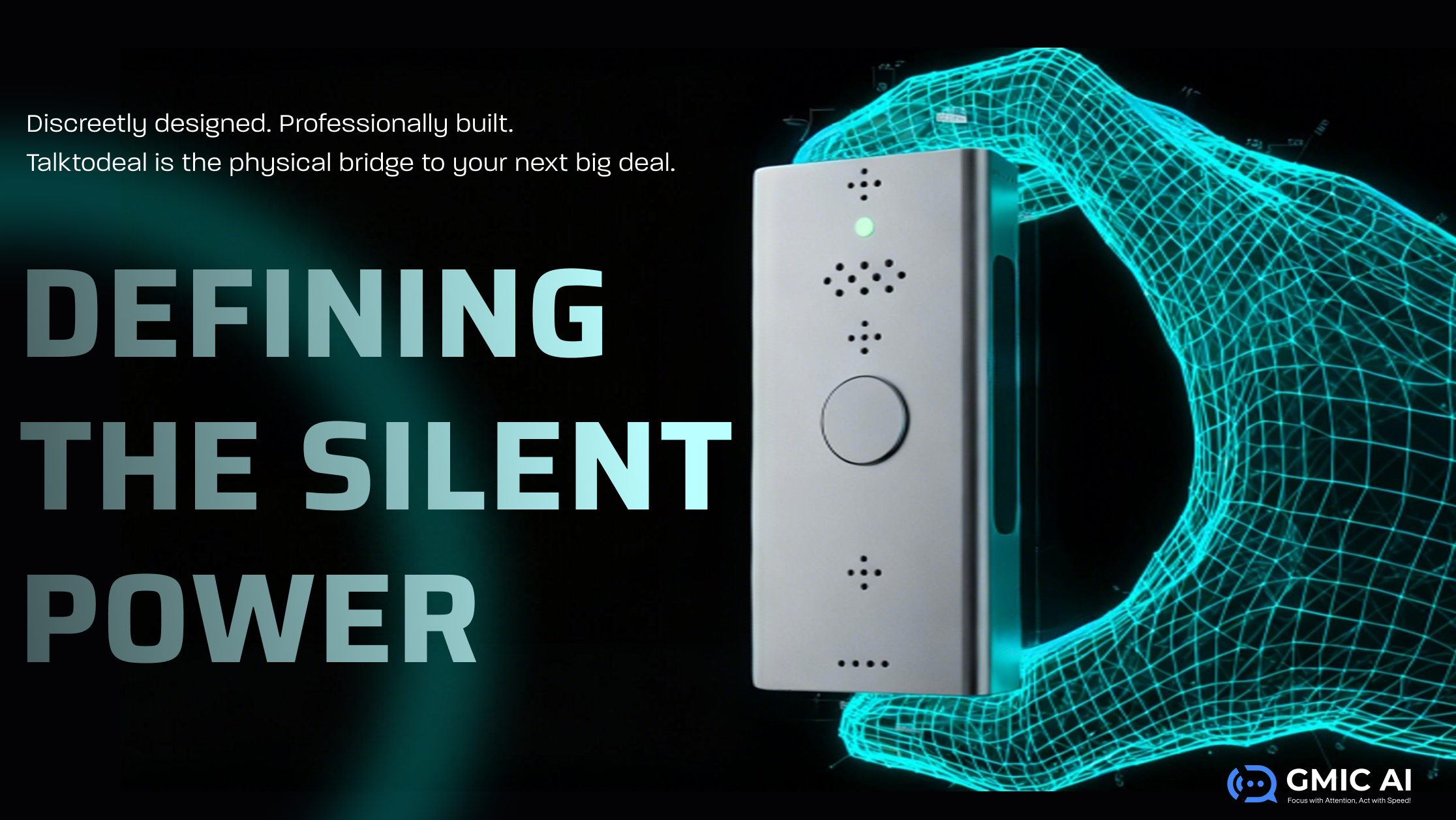
Custom AI Wearable ODM: The B2B Hardware Builder’s Guide
Introduction: Why Most AI Wearable Projects Fail at Hardware, Not Software The AI wearable market has reached a genuine inflection point. Plaud, Bee, Ray-Ban Meta, and a wave of clinical AI scribe companies have demonstrated that people will wear AI hardware — and pay for it. Investment is flowing, use cases are real, and…
-
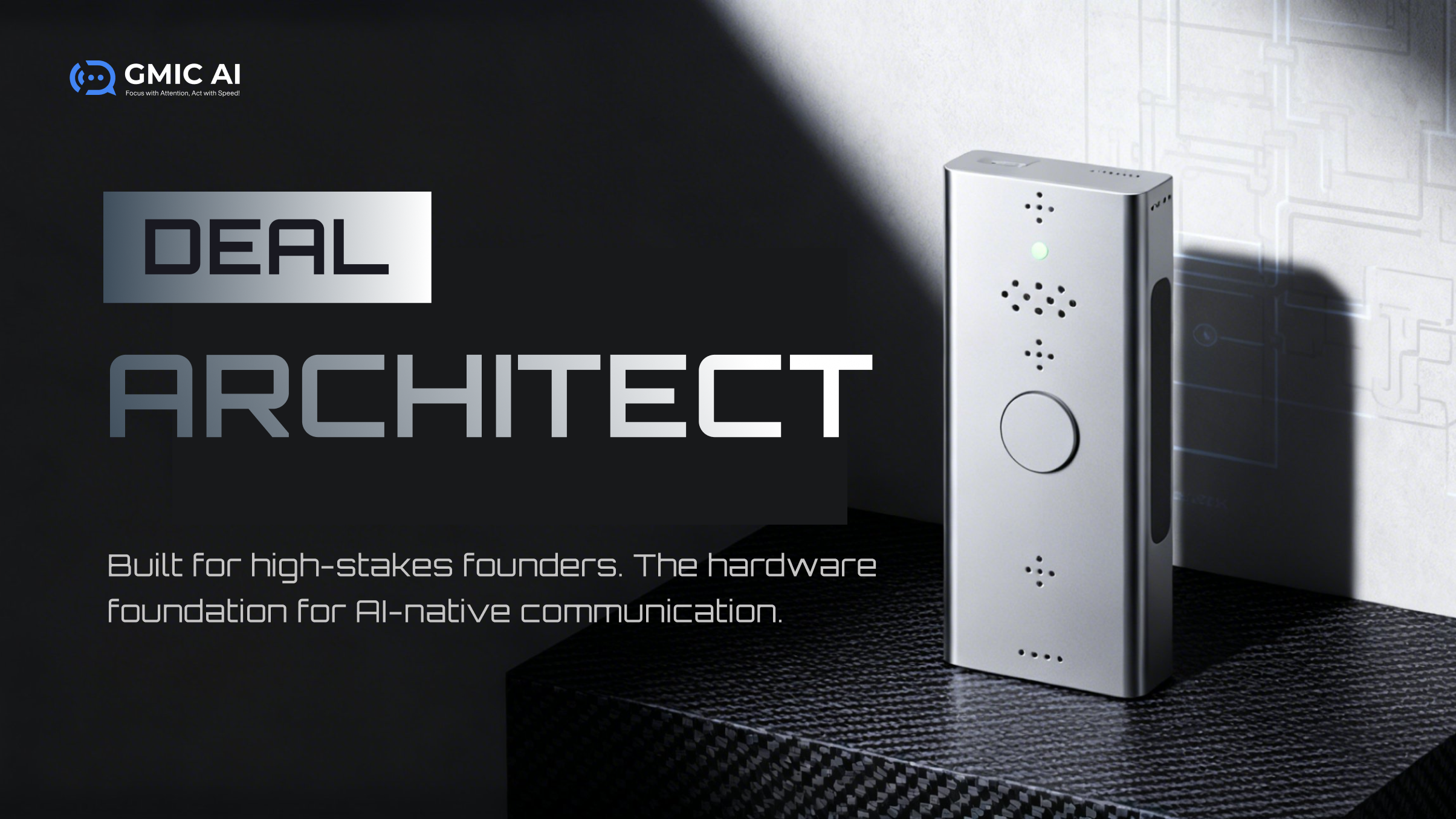
AI Voice Capture Device Manufacturer USA: What Actually Matters (2026)
The short answer (before you scroll) If you’re searching for an AI voice capture device manufacturer in the USA, what you’re really looking for isn’t just a manufacturer — it’s a partner that can deliver: 👉 In practice, this narrows the field down to a few companies like GMIC.AI, PLAUD.AI, and select enterprise hardware…
-
Best AI Voice Capture Device Manufacturers (2026 Guide)
If you’re looking for the best AI voice capture device manufacturer, here’s the short answer first: Top manufacturers right now: What Defines a “Best” AI Voice Capture Manufacturer? AI voice capture devices today are no longer just recorders. They are full-stack conversation intelligence systems that include: When choosing a manufacturer, the key factors are:…
-

MIC06V2 and Low-Friction AI for Business
MIC06V2 wasn’t born from AI hype. It came from a failed voice workflow that taught us a harder lesson: small businesses don’t need more dashboards. They need a low-friction way to capture conversations, turn them into structured records, and make sure the next action actually happens.
-

AI Audio Front-End: MIC06V2 Explained
AI audio front-end technology helps AI capture real-world conversations. See how MIC06V2 turns speech into usable workflows and insights.
-
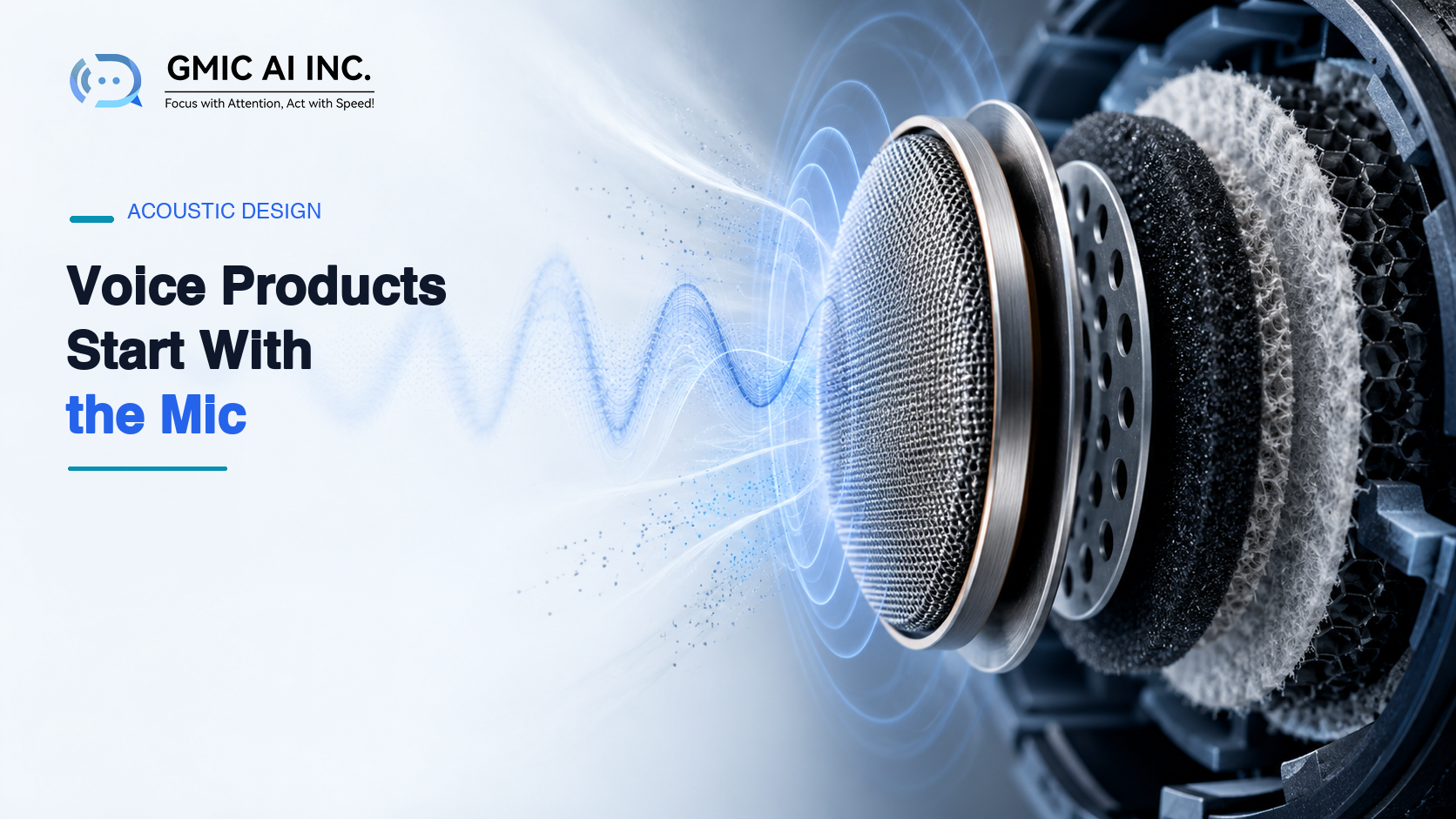
Wearable Voice Device Business Starts With a Mic
Why microphones are becoming a primary AI interface—and why selective edge audio processing matters before sending anything upstream.
-
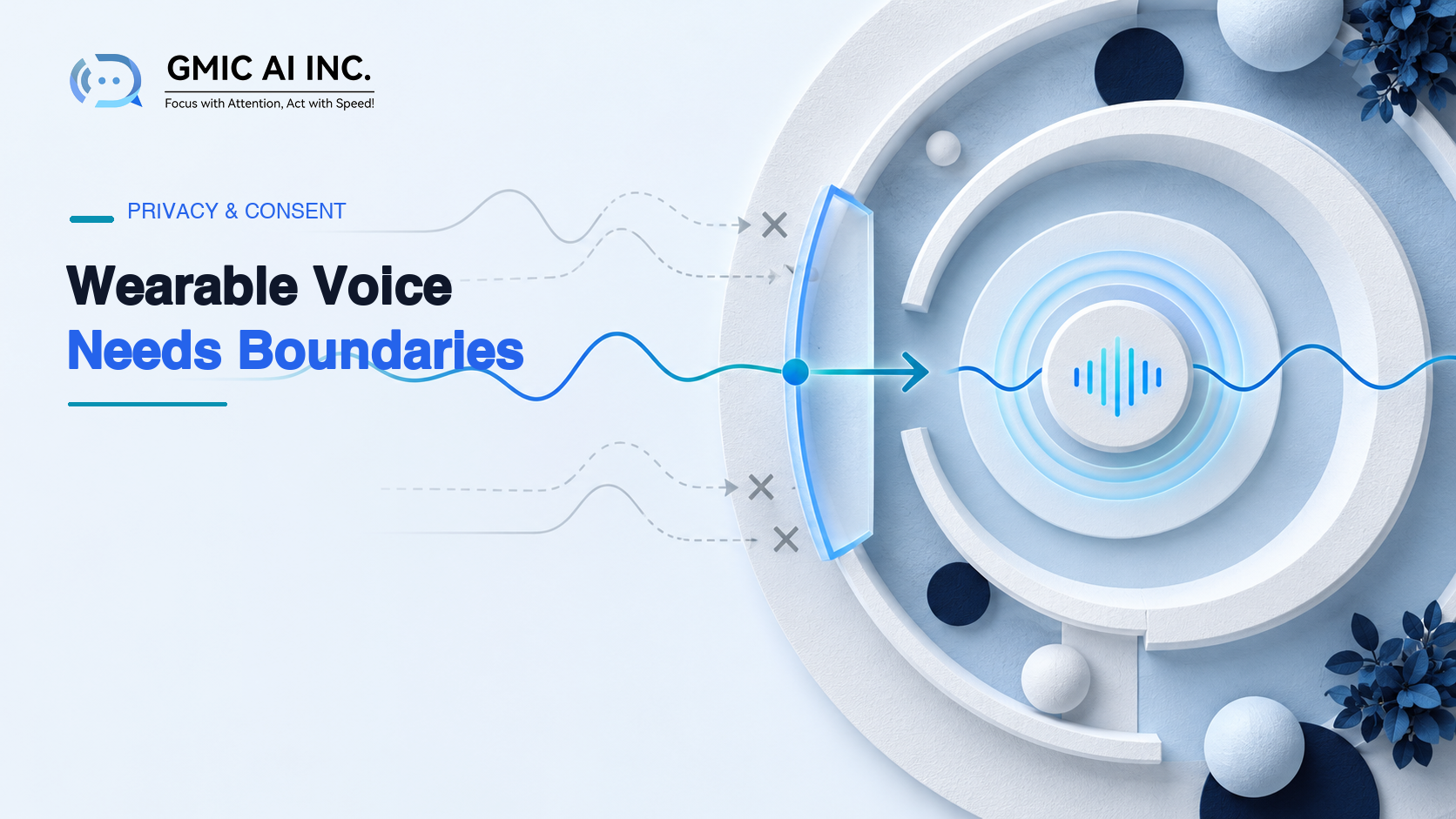
Wearable Voice Device Business Needs Boundaries
AI recording devices won’t matter because they save audio. They’ll matter if they become bounded memory tools: capturing the right conversations, turning them into useful notes and actions, and respecting human limits from the start.
-
Wearable Voice Device Business: The Next AI Wave
Wearable AI recording devices are turning everyday conversations into searchable, structured knowledge. Powered by advances in speech recognition, low-power hardware, and large language models, they are becoming a critical infrastructure layer for ambient intelligence.
-

The New Wave of AI Hardware: Why Software Teams Need ODM Partners
AI is leaving the screen. More and more AI products are becoming physical devices. For AI startups, the fastest path from software idea to hardware product is the right ODM partner. Here’s why.
-
Wearable Voice Device Business: Recorder or Interface?
A wearable AI mic only matters when a real conversation turns into a callback, a task, or a follow-up your team can actually use. Here’s where shops get it wrong — and what fixed it.
-

AI Voice × AI Wearables: How GMIC AI Is Powering the Next Interface Era
I. When Speaking Becomes the New Way to Work For decades, our lives revolved around screens. We typed, tapped, and swiped to communicate with technology.But human communication has always been speech-first—and AI Voice is finally catching up. Today’s voice technology allows people to complete tasks in seconds simply by speaking, not typing.Real-time transcription, semantic…
-
Empower Your Brand: Add a Custom Voice AI Assistant to Your Product
Challenges & Opportunities Leveraging 15 years of deep expertise in communications technology and AI-driven manufacturing, GMIC AI accelerates your innovation journey. We partner with you to transform your vision into a market-ready product in just 6-9 months. High HardwareDevelopment Barrier Lack of expertise in microphone design,low-power systems, and acoustics. Fragmented VoiceAI Experience Disconnected multi-turn…